Ranges & Rangetops
Viking Range and Rangetop Burner Faults
Burners that will not light, ovens that drift off setpoint, and doors that no longer seal. Sealed burner and oven work on Viking ranges.
Independent Viking kitchen appliances only
Mon–Fri, 8am–6pm Sat, 9am–4pm
Sector 32205
A professional range in a bungalow kitchen built before the appliance existed. Long duct runs, shared circuits, and floors that have moved for a century.
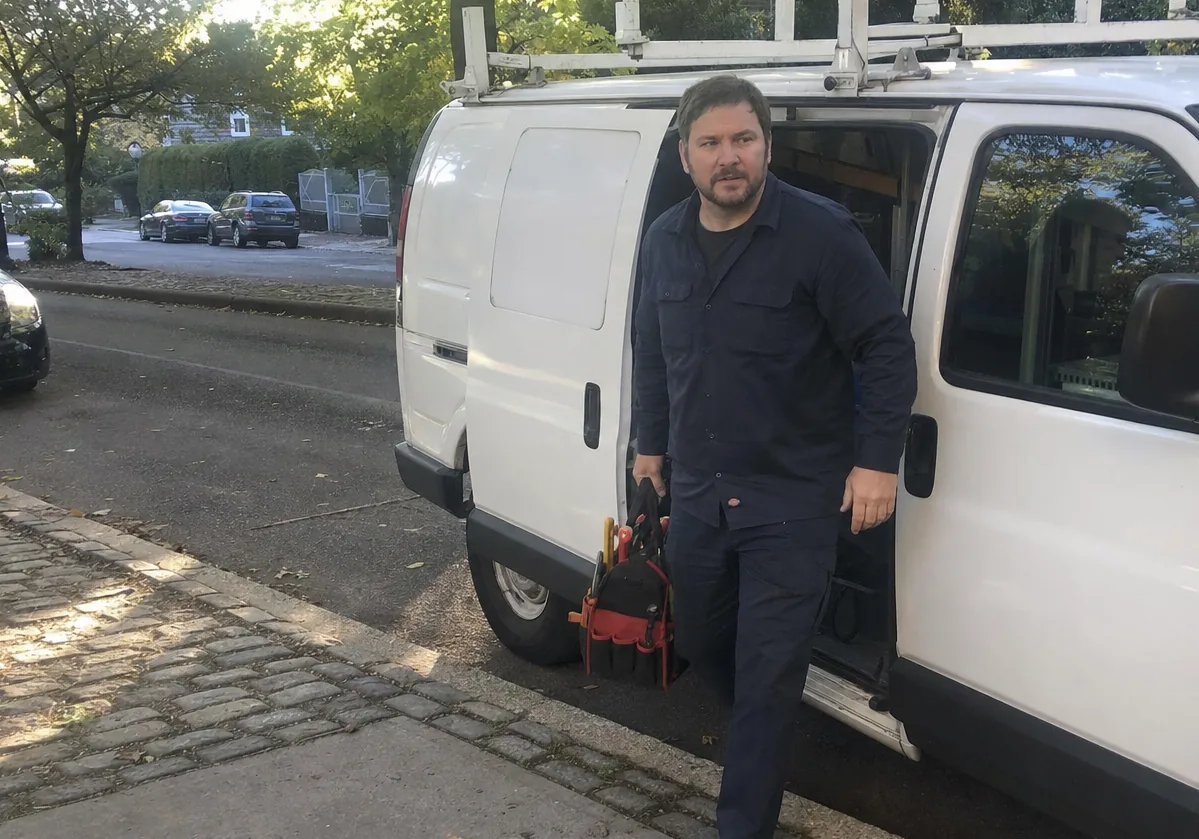
The headline in Riverside and Avondale is the buildings. Almost nothing we are called out for in 32205 is a defect in the appliance; it is the appliance arguing with the room it was put into. Openings, circuits, duct runs and floors decide the outcome of a call here more often than any part does, and all four of them were settled before the Second World War.
Riverside and Avondale make up one of the largest historic districts in the southeastern United States, and most of the housing stock went up between the 1900s and the 1930s. Bungalows, Prairie and Tudor revivals, frame vernacular houses on narrow lots between Five Points and the Shoppes of Avondale.
Those kitchens were small rooms at the back of the house. They were service space, not entertaining space, and they were sized for a narrow freestanding range and an icebox. Nearly every professional appliance in this neighborhood is a retrofit into a room that was never designed to hold it, and the retrofit was often done by whoever renovated the house in a hurry.
What that produces, over and over:
Cabinet openings that are an inch or two short, with trim scribed to hide the gap. The appliance goes in once, under protest, and does not want to come out for service without the trim coming off first.
Counter circuits that were never dedicated. A century of wiring layers means the kitchen is often fed from a branch that also carries something in another room. A professional range or a wall oven wants its own run, correctly sized, and frequently does not have one.
Plaster and lath walls, which change what is possible with ductwork. There is rarely a short straight path from a hood to an exterior wall, so the duct runs long, turns several times, and loses static pressure at every elbow.
In a tight modern house, a high-capacity blower starves for make-up air and moves far less than its rating. In a 1915 Riverside frame house with original window frames, the building leaks enough that make-up air is never the constraint. Here the constraint is the duct: too long, too many elbows, sometimes reduced in diameter to get through a joist bay.
That distinction matters because the fix is completely different. Replacing a blower on a house that needs make-up air changes nothing. Replacing a blower on a house with an undersized duct also changes nothing. We look at the duct run before we look at the motor, and we say which one it is.
Pine subfloor over a crawl space, a hundred years of humidity cycling, and piers that have settled unevenly. Put a heavy range or a loaded refrigerator on that and the chassis takes a twist. The visible symptom is an oven door that sits proud at one corner or a refrigerator door that will not self-close, and the usual instinct is to blame the gasket or the hinge.
We put a level on the floor before we quote hinges. Sometimes the fix is shimming and levelling, which costs nothing but time. Sometimes the fix really is a pair of hinges. Guessing is what makes people pay twice.
We ask for the model and serial plate before we quote anything, and in this neighborhood the reason is practical rather than bureaucratic. A professional line stays in production for years while its internals are revised, so two ranges that look identical across a room can take different igniters, different door hinges and different control assemblies depending on where the serial falls in the run. Ordering from a photograph of the front of the appliance is how the wrong part arrives on a Friday.
The plate is usually behind the toe kick, inside the door frame or on the side of the cabinet opening. If you can photograph it before we arrive, we can have the likely parts identified before the van is loaded. Common wear items — igniters, thermostats, door gaskets, hinges, spray arms, fill valves — are generally quick to source. Sealed-system components, control boards and cosmetic panels are the ones that keep a kitchen waiting, and we will tell you which category you are in as part of the written estimate rather than after you have approved it.
Where a part has genuinely been discontinued, we say so plainly. That is the point where the honest advice may be to call the manufacturer’s own service line or to plan a replacement, and that advice is worth more to you than an open work order that never closes.
These are narrow streets with street parking and often no driveway to speak of, and there is frequently a set of front steps between the van and the kitchen. We plan for that. It is not a complaint; it is why we ask about access on the phone rather than finding out on arrival with a two-hundred-pound door in the way.
Flat diagnostic, credited toward the repair if you approve the work. Written estimate before any part is ordered. Genuine OEM parts, ninety days on labor and a year on parts.
What it costs in Riverside and Avondale
The visit and the whole diagnostic sequence are $80 flat, and that comes off the bill the moment you approve the work. Repairs of this kind have run $200–$970 in parts and labor after that, and the figure on your estimate is written down before a part is ordered.
| Work | Parts and labor |
|---|---|
| $80 diagnostic | Flat, credited toward the repair |
| Oven thermostat or heating element | $200–$570 |
| Control board or touch panel | $410–$970 |
| Igniter or burner assembly | $200–$530 |
A band is where the work has landed, not a quote. You get a written estimate before any part is ordered or any tool comes out. 90 days on labor, 365 days on parts. The whole table is on the pricing page.
Asked from this sector
Related
Ranges & Rangetops
Burners that will not light, ovens that drift off setpoint, and doors that no longer seal. Sealed burner and oven work on Viking ranges.
Wall Ovens
Elements that open up, sensors out of range, and doors that will not stay square. Single and double wall ovens, built in.
Dishwashers
Blocked spray arms, drain pumps full of glass grit, and dishes that come out chalky. Built-in dishwashers, diagnosed in the order the water travels.
Ventilation & Hoods
Blowers that roar without clearing smoke, dead speed settings, and dampers that never open. Wall, island and insert ventilation.
Shop Note 002
A display is not a measurement. Put a probe on the middle rack and watch a full cycle before anyone orders a part.
Shop Note 003
Spark, gas, path. A burner that keeps clicking without lighting is missing one of the three, and it is usually the cheapest one.
Shop Note 004
Noise is not airflow. Before anyone buys a blower, open a window and run the hood again. That test is free and it settles most of these.
Shop Note 007
Most Viking freezer codes are door, temperature or cleaning alarms you can clear, but a sensor code that will not reset needs a technician.
What customers said
4.3 out of 5, across 77 published customer reviews. Read every one of them.
The convection fan screeched at the start of every bake. He found the motor bearing dry and the blade clipping the shroud after a rack had been forced in. New motor, straightened shroud, silent oven.
Thea G.
Two burners lit slowly and one hissed before it caught. He found the igniters glazed over and the electrode gaps wrong from an earlier repair, sorted both, and every burner now lights straight off.
Ingrid T.
A vibration through the whole cabinet whenever the fan ran on high. He balanced the blower wheel and found two mounting grommets perished. Better than it has been in years, though a faint hum remains.
Barnaby I.
Book the visit
Viking only. Duval County, citywide. Flat $80 diagnostic. It is credited toward the repair if you approve the work.